Origins of Tea—Short History
Tea is believed to have originated in ancient China, with written accounts dating back to the Tang Dynasty, though legend credits Emperor Shen Nong with discovering tea much earlier when leaves drifted into his boiling water. From China, tea traveled to Japan through Buddhist monks who used it for focus and meditation, and later spread into India and Europe through trade routes. By the 17th and 18th centuries, tea had become an established global commodity, shaping culture, ceremony, and social rituals in many countries. Today tea is one of the most widely consumed beverages on Earth, second only to water.
All true teas—green, black, oolong, white, and pu-erh—originate from the same plant species, Camellia sinensis. The major differences between tea varieties come not from different plants, but from how the harvested leaves are processed, including levels of oxidation, fermentation, and drying. For example, green tea leaves are gently heated to prevent oxidation, while black tea leaves are fully oxidized, resulting in darker color and bolder flavor. This single plant has adapted across regions and climates, creating subtle variations in flavor, aroma, and nutrient content, yet it all traces back to the same botanical source.


Health Benefits of Green Tea
Green tea is often celebrated for its powerful antioxidants, especially catechins like EGCG, which help support cellular health and protect against oxidative stress. Studies have suggested that green tea may aid metabolic function, support healthy cholesterol levels, and promote balanced inflammation responses. Many people also enjoy green tea for its gentle caffeine effect—less stimulating than coffee—combined with L-theanine, which is known to support a focused yet relaxed state of mind.
Health Benefits of Other Types of Tea
Black tea, the most commonly consumed variety in Western countries, contains theaflavins and thearubigins—compounds linked to supporting heart health and healthy blood vessel function. White tea, one of the least processed forms, is rich in subtle antioxidants and often considered beneficial for skin and immune system strength. Herbal teas such as chamomile, peppermint, rooibos, and ginger contain no caffeine and are valued for soothing digestion, supporting sleep, easing tension, and delivering plant-based nutrients that complement a calming wellness routine.

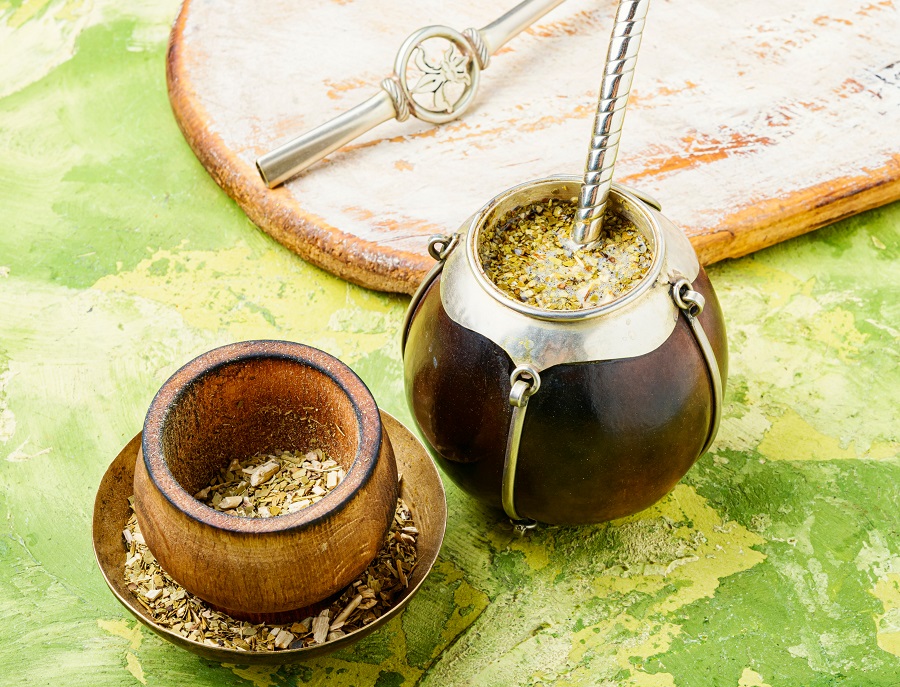
We're BIG fans of Yerba Maté
Though not an actual tea, yerba maté originates from the leaves of the Ilex paraguariensis plant, native to South America and central to cultural traditions in countries such as Argentina, Paraguay, Brazil, and Uruguay. Traditionally prepared in a hollowed gourd and sipped through a metal straw called a bombilla, yerba maté is valued for its stimulating yet steady energy. Rich in polyphenols, minerals, and natural caffeine, it is often promoted for enhancing alertness, supporting digestion, and providing antioxidant benefits—making it a popular coffee alternative with deep historical and social roots.

Plant Vibrant Living is an educational project © 2025
The Plant Vibrant Living website is offered as a source of health and wellness information only. The content provided herein is for informational purposes only and is not intended as medical advice. As such, the information provided is not a substitute for professional medical advice, diagnosis, or treatment. Users are encouraged to consult a healthcare provider for any medical concerns.
See full disclaimer